
Stop Short-Cycling in Shoulder Season: Causes & Fixes
Shoulder season, that period between heating and cooling, is a strange time for HVAC systems. Furnaces and heat pumps may not need to run for long stretches, but they still need to run efficiently and smoothly. If your system keeps starting and stopping every few minutes, you’re likely dealing with short-cycling.
This pattern can feel harmless at first, but it’s actually a red flag. Left unchecked, it increases energy use, stresses system components, and can lead to breakdowns just when you need consistent heating the most. Let’s break down what’s happening, why it’s common during transitional weather, and what Dunn Heating can do to help.
What Is Short-Cycling?
Short-cycling occurs when your heating system starts up, runs briefly (often for 3–5 minutes), then shuts off, only to restart shortly after. Instead of completing a full cycle to reach and maintain the set temperature, the system cuts out early and repeats this inefficient loop.
Natural Resources Canada’s guidance on properly sized, high-efficiency heating systems notes that oversized or inefficient equipment can run in short, more frequent cycles, wasting energy, so recurring short runs in mild weather are worth checking. If your system is starting and stopping several times an hour in mild/shoulder-season weather, that’s a sign something is off; it could be sizing, airflow, thermostat placement, or a control issue.
You may notice:
- Uneven warmth or drafty rooms
- Higher utility bills despite moderate weather
- Unusual clicking or startup sounds
- A system that never seems to settle into a steady rhythm
This issue affects both furnaces and heat pumps, and it’s more than just annoying. It wastes energy, increases wear on ignition and control components, and can reduce system lifespan.
Why It Happens More in Shoulder Season
In shoulder seasons like early spring or late fall, outdoor temperatures vary widely. In Waterloo, daily temperature swings of 10°C or more aren’t uncommon. If your equipment is slightly oversized or your thermostat is overly sensitive, short-cycling becomes a real risk.
Other common triggers include:
- Light heating loads, where the system reaches the target temperature too fast
- Thermostat placement issues (e.g., near a vent or in direct sunlight)
- Missed maintenance, like clogged filters or blocked returns
This is also when many homeowners delay service, assuming the mild weather means the system isn’t working hard, when in reality, it may be running inefficiently all season long.
Common Causes of Short-Cycling
✔ Oversized Furnace or Heat Pump
A system that’s too powerful will satisfy the thermostat too quickly, shutting off early. That leads to frequent restarts, inconsistent heating, and accelerated wear on blower motors and igniters.
✔ Dirty Filters or Blocked Return Vents
A clogged filter restricts airflow, leading to overheating and automatic safety shutdown. Once the blower cools down, the system restarts and repeats the short cycle.
✔ Thermostat Placement or Settings
Thermostats placed near vents, windows, or radiant heat sources often detect inaccurate temperatures, which can trigger unnecessary cycling. Keep stats away from supply grilles, south-facing windows, and cold-entry doors, which are common in Waterloo Region homes.
✔ Faulty Sensors or Controls
Gas furnaces rely on flame sensors and pressure switches to stay running. If these sensors malfunction, they can trigger mid-cycle shutdowns. For heat pumps, reversing valves or control boards can cause improper staging or mode switching.
✔ Drafts and Heat Loss
Air leaks around attic hatches, windows, or door frames can cause rooms to cool rapidly, triggering the system to restart. NRCan’s air-sealing guidance notes that uncontrolled air leakage makes heating systems run more often to maintain comfort, which can appear as more frequent cycles in the shoulder season. Uninsulated ducts can also affect cycling behaviour.
Quick Fixes Before You Call
Try these homeowner steps before scheduling service:
- Replace your furnace filter
- Confirm all supply/return vents are open and unobstructed
- Adjust the thermostat by 1–2°C and observe
- Ensure windows and doors are tightly shut
- Listen for odd noises like clicking, hissing, or buzzing
If none of these resolve the issue, it’s time to book a technician visit.
When to Call Dunn Heating
Short-cycling may appear harmless, but it can signal system damage, wasted energy, or unsafe conditions.
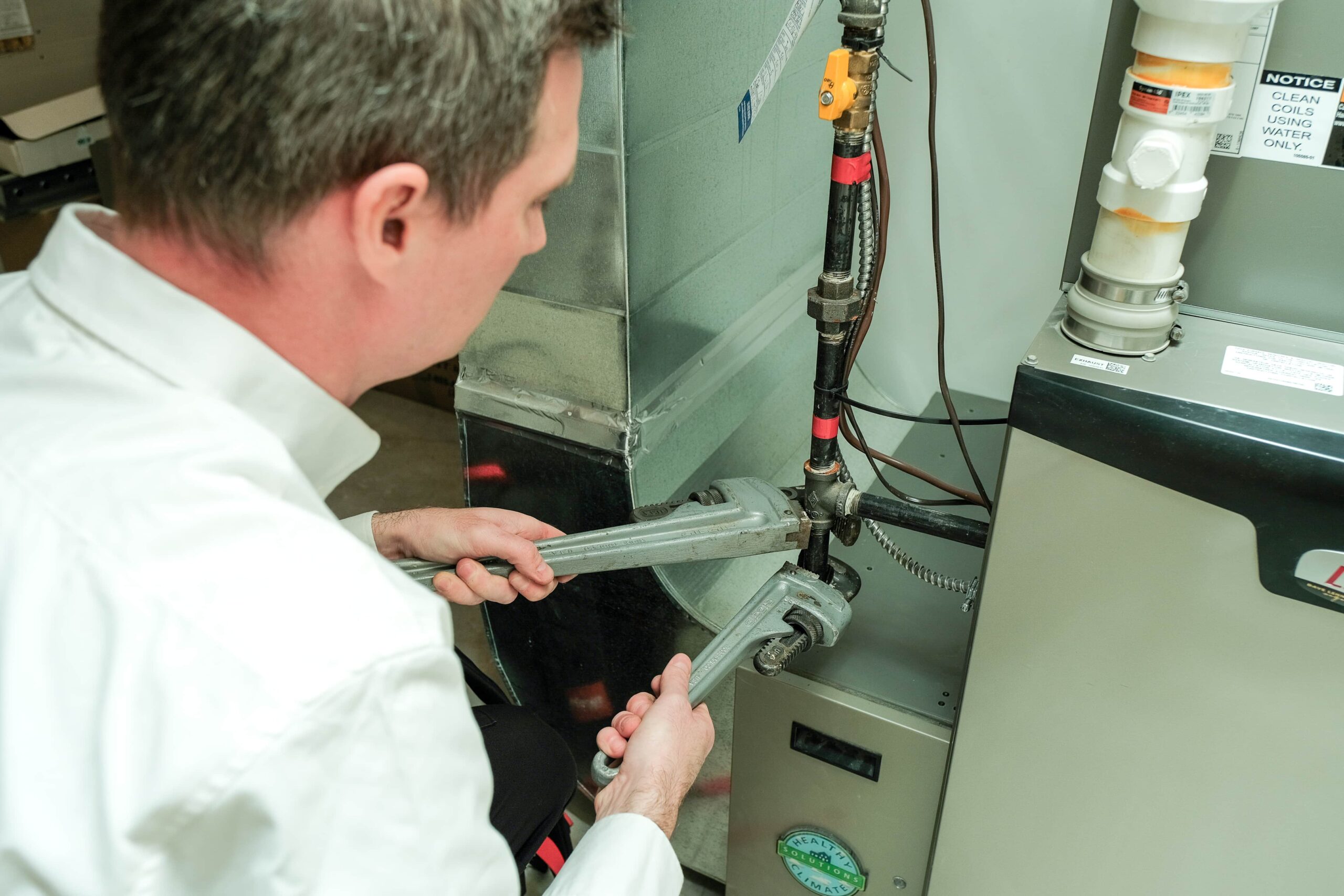
Dunn Heating’s expert technicians can:
- Test airflow, temperature rise, and blower operation
- Inspect flame sensors, control boards, and igniters
- Evaluate thermostat placement and staging
- Determine if your system is sized correctly
If the unit is short-cycling and showing fault/limit codes, don’t keep resetting it, have a licensed Ontario technician test airflow, limits and venting. We’ll pinpoint the root cause and recommend safe, cost-effective solutions.
Maintenance Plans That Prevent It
Short-cycling often develops gradually, starting with airflow imbalances, dirty sensors, or poor calibration. Dunn’s Maintenance Plans are designed to detect short-cycling causes early, before they escalate into breakdowns, high energy bills, or system wear.
Each plan includes:
- Seasonal filter changes
- Furnace or heat pump inspections
- Thermostat calibration
- Sensor and airflow diagnostics
- Optional IAQ device checks (e.g., humidifiers)
According to NRCan’s material on high-efficiency (condensing) gas furnaces, a properly maintained Canadian high-efficiency unit, typically in the low-90s up to about 98% AFUE, helps reduce energy loss and strain on components, especially when temperatures swing in spring and fall.
Final Thoughts
Short-cycling is one of the most overlooked heating issues during fall and spring, but it shouldn’t be ignored. If your system is rapidly turning on and off, it may be working harder than necessary and costing you more than it should.
Dunn Heating is here to help. Whether it’s airflow, sizing, sensors, or calibration, we’ll get your system running smoothly again before winter really hits.