
Why Your Boiler Leaks From The Side While Still Heating
When your boiler develops a leak from the side while continuing to heat your home, you’re witnessing a common yet concerning issue that affects many Ontario homeowners. The fact that your heating system still functions normally doesn’t mean the problem should be ignored. Understanding why this happens can help you address the issue before it escalates into a more serious and costly repair. If the leak is active, it’s usually worth booking boiler repair in Waterloo sooner rather than later, even if the system is still heating.
Side leaks typically occur when internal components begin to fail gradually, allowing water to escape without immediately disrupting the boiler’s primary heating function. The leak develops slowly enough that your system maintains adequate water circulation to keep radiators hot and provide domestic hot water.
Internal Component Failures
One possible cause of side leaks is corrosion within the heat exchanger. This critical component transfers heat from combustion gases to the water circulating through your heating system. Mineral content in water (including hardness) can contribute to scale and wear in hydronic systems over time, which can increase the risk of corrosion and seal issues.
Small perforations develop in the heat exchanger walls, allowing water to seep through and drip from the boiler’s side panels. Small holes may not prevent the boiler from heating right away, which could explain why your home still feels warm even as a leak develops. However, ongoing water loss and corrosion can worsen over time and may require a larger repair if not addressed.
Another culprit involves degraded seals and gaskets around side-mounted components like circulation pumps or diverter valves. Constant thermal expansion and contraction weakens these rubber components, especially when system pressure exceeds recommended levels. High pressure forces water through these compromised seals while still allowing normal heating operation. Regular boiler maintenance in Waterloo can also help catch early signs of seal wear, pressure-related issues, and minor seepage before they lead to larger repairs.
External Connections and Safety Concerns
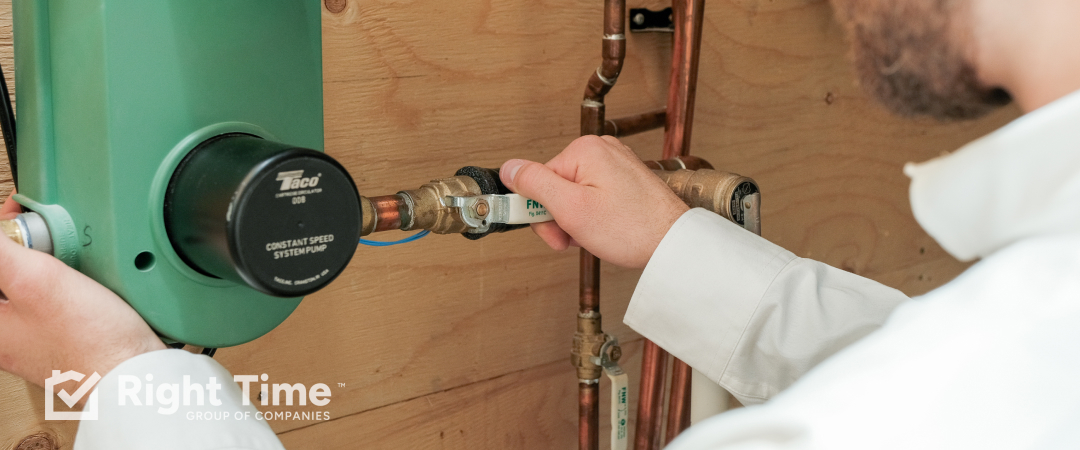
Loose pipe connections where heating lines enter the boiler from the side can also cause leaks. Normal operational vibrations or improper initial installation can gradually loosen these joints. This issue can be more common in older homes, where aging plumbing connections are under greater heating demand during winter.
While your boiler may continue to heat, a side leak can still pose risks beyond water damage, so boiler repair services should focus on identifying the root cause rather than just stopping the drip. Persistent moisture can cause electrical shorts in nearby components or accelerate corrosion throughout the system. If the leak worsens quickly, you notice frequent pressure drops, or you need heat restored fast during cold weather, an emergency boiler repair is the safest next step.
In gas-fired units, water near electrical connections can create additional safety concerns. If your home has fuel-burning appliances, test carbon monoxide alarms regularly and replace batteries and the alarm as recommended by the manufacturer.
Because boilers involve pressurized water and, in many homes, fuel-burning components, a leak should be treated as a safety and reliability issue, not just a nuisance. For gas-fired equipment, Ontario homeowners should hire a TSSA-registered contractor for fuel-related work and repairs rather than attempting fixes themselves. If you ever smell gas, leave the area and contact your gas utility or emergency services.
What You Can Do Right Now (Safe Steps)
Start by placing a towel or small container under the leak to prevent slipping and protect nearby flooring. Take a photo of the water source and note whether the leak worsens when the boiler turns on. If you can safely access the boiler’s service switch, turn the system off to limit further leakage until it can be inspected. If you’re unsure, leave the system running only as needed for heat and call a professional promptly.
Homeowner OK vs Pro Only
Homeowner-safe steps include keeping the area dry, observing the leak pattern, and checking for obvious water on nearby piping. Pro-only work includes anything involving sealed panels, burner and combustion checks, gas controls, electrical diagnostics, system pressure adjustments, or internal component replacement.
What a Technician Will Check
A technician will typically confirm the source of the water, such as a gasket, a side connection, a pump flange, a relief valve discharge path, or a failing internal component. They may also check whether system pressure is fluctuating and whether the expansion tank and safety controls are working as intended. The goal is to fix the underlying cause so the leak does not return after a temporary patch.
How to Help Prevent Repeat Leaks
Boilers work best when small issues are caught early. Booking routine service, keeping the area around the unit dry and clear, and addressing minor seepage quickly can reduce the chance of corrosion spreading. If your home has hard water, a technician can also advise on maintenance steps that may reduce mineral buildup in the system over time.
Trust Dunn Heating for Expert Boiler Care
Experiencing a boiler leak in your Waterloo Region home can be concerning. At Dunn Heating, we understand the importance of a well-functioning heating system. Our experienced technicians specialize in diagnosing and repairing boiler issues, helping keep your home warm and safe. Don’t let leaks disrupt your comfort. Rely on our reliable boiler repair service in Waterloo Region to get your system back on track, with HVAC services available when you need them. If you’d like ongoing peace of mind, ask about HVAC Maintenance Plans in Waterloo. We proudly serve the community with professional services, adhering to Ontario safety standards.